Under the Square Mile: A Walk Through Smithfield’s Cold Vaults
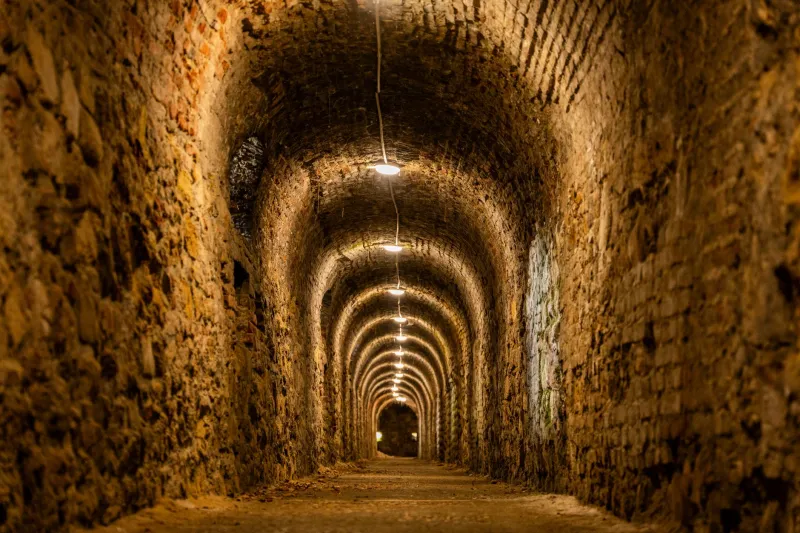
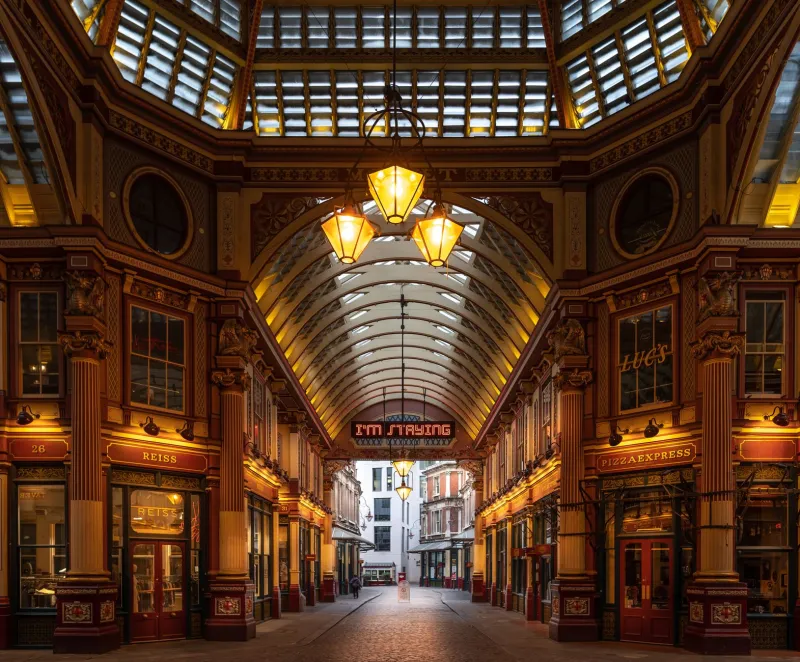
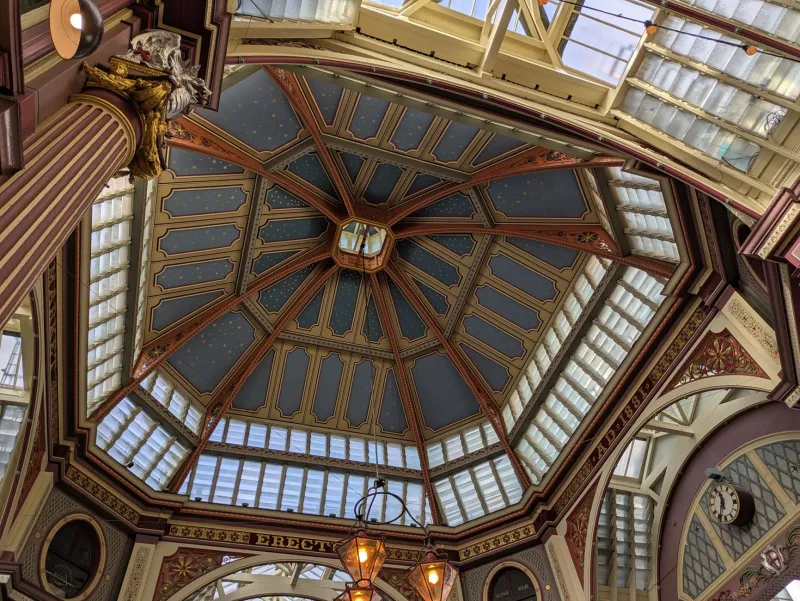
You will not find Smithfield’s cold stores on a blue plaque. They are not part of the market’s famous outline, the one that appears in photographs of the Victorian roof and the big stone entrance. They are underneath, behind and between: vaults, basements, service passages and plant rooms that once did the invisible work of feeding London.
As of 2026, the area around Smithfield is in a familiar state of change. The meat trade’s future is debated, buildings are watched, and heritage groups argue over what should be kept. But the cold stores tell a different sort of story. They are not just old rooms. They are evidence of a moment when London’s appetite was re-engineered.
A Heritage You Can’t See
Most food heritage is legible. You can see a market hall, a shopfront, a tiled butcher’s slab. Cold storage is harder. It is machinery, insulation, thickness of wall, height of ceiling, the slope of a floor. Its heritage is in what it allowed to happen: meat kept longer, stock held further from the shop, supply chains stretched across countries and seasons.
That makes the vaults under Smithfield a useful way to think about the City’s food geography. The Square Mile is usually described through offices, banks and streets. But it was also a place where food was landed, stored, sold and moved. The cold chain was part of that machinery.
Ice Before Refrigeration
Before mechanical refrigeration, cold was a commodity. Ice was cut, shipped and packed into insulated rooms. It was expensive, heavy and imperfect. In Victorian London, ice houses and cold rooms were built for breweries, fishmongers, butchers and provisions merchants. The idea was simple: slow down time.
Smithfield’s meat trade had its own reasons to care. A market dealing in large volumes of fresh meat needs somewhere to hold stock when trade is slow or supply is heavy. Early cold rooms were often small, thick-walled and awkward. They were not the gleaming chillers of modern food logistics. They were practical attempts to control decay.
The Cold Chain Goes Underground
Mechanical refrigeration changed the scale. From the late nineteenth century onwards, ammonia compression and other systems made it possible to cool larger spaces more reliably. Cold stores became part of the infrastructure of urban food supply. In London, they were built near markets, railways and docks, because that is where food arrived and where it was sold.
The spaces beneath Smithfield and the surrounding streets belong to that broader history. Archive plans and trade journals describe basement storage, service access and plant areas that were never meant for public view. Some were cold rooms. Some were simply the back-of-house spaces that made a dense market work: passages for goods, stairs for staff, voids for machinery.
What the Vaults Changed
Refrigeration did more than keep meat fresh. It changed the rhythm of the trade. It allowed traders to hold stock across weekends and slow periods. It made it easier to buy in bulk and sell over time. It pushed capital into plant and maintenance. It also separated the sight of food from the system that preserved it.
That separation is still with us. A shopper sees a chilled cabinet. A chef sees a delivery window. Few people see the cold room, the compressor, the insulated panel, the temperature log. The vaults under Smithfield are a reminder that London’s food supply has always depended on spaces that are deliberately unglamorous.
A Walk Through the Edges
You cannot book a tour of Smithfield’s cold vaults, and that is part of the point. The heritage here is not a set of rooms with interpretation boards. It is the edge condition of the market: the service yard, the basement door, the thick wall, the route the goods took before they reached the counter.
A heritage walk around Smithfield should therefore look down as well as up. Notice the changes in level. Notice where goods entrances sit. Notice the blank walls and vents that suggest something below. The market’s story is not only in its façade. It is in the plumbing of the place.
What Redevelopment Might Erase
Redevelopment is not simply a matter of saving a pretty building. It is a matter of deciding which layers of history count. A cold store may not look like heritage. It may look like a plant room. But it records a shift in how London ate: from seasonal, local and small-scale to chilled, national and industrial.
If those spaces are swept away, the loss will not be obvious to the casual visitor. That is exactly why it matters. The visible market will still have its roof and its stone. The invisible market — the one that kept the meat cold and the City fed — will be harder to explain.
Why It Still Matters
Smithfield’s future is being argued in public. The cold vaults deserve a place in that argument, not because every basement can be saved, but because they show what the market really was: a piece of urban food infrastructure, not just a picturesque trading floor.
London still relies on cold rooms, chillers and service tunnels. We have simply moved them further out of sight. Under the Square Mile, Smithfield’s forgotten cold stores remind us that feeding a city has always required more space than we like to admit — and more history than we usually see.