After the Last Lorry: What Smithfield Loses If the Meat Traders Go
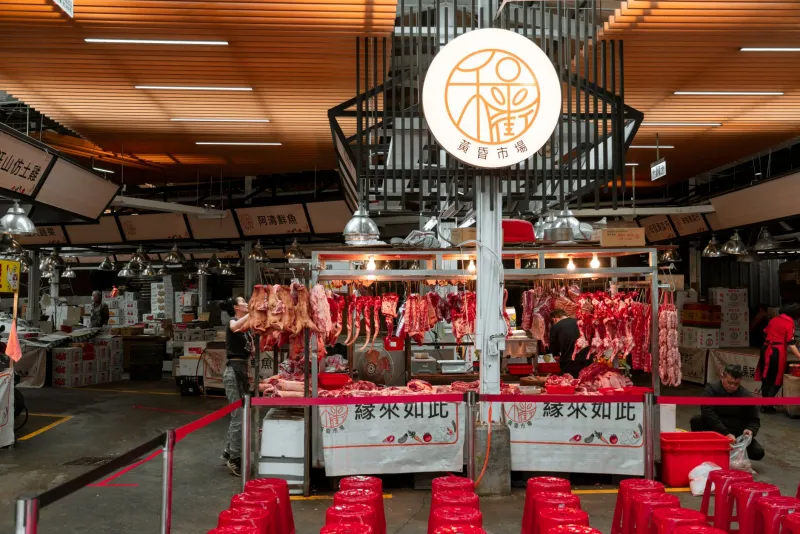
Walk through Smithfield on a weekday morning and the meat trade is still there in the air: diesel, cold-store draughts, the clatter of pallets and the sense that the day started hours before you did. The wholesale meat market has been living with a question mark over it for years. Relocation plans come and go, heritage campaigns make their case, and the Museum of London’s West Smithfield project sits nearby as both neighbour and warning. As of late 2026, the argument is no longer just about traffic management or refrigeration. It is about what the City wants its past to do.
The case for moving is not stupid
The market’s problems are real. The site is old, the streets around it were not designed for modern lorries, and a wholesale meat operation needs refrigeration, loading space and access that a historic market cannot easily provide. Traders need facilities that work. The City needs space. A purpose-built site outside the centre could give the trade a more secure future than endless patching-up. Anyone who romanticises the current setup should spend an hour watching a lorry reverse into a space that looks too small for a van.
There is also a legitimate public-interest argument. Smithfield sits on valuable land in a city short of housing and cultural space. The Museum of London’s presence signals a different future: heritage, visitors, public realm. If the meat market moves, the site could become more open, more legible and less dominated by vehicles. That is not nothing.
But a market is not a museum exhibit
The counter-argument is not just nostalgia. Smithfield works because the whole ecosystem is in one place: traders, porters, butchers, cold stores, cafés, restaurants and the people who buy from them. Move the wholesale market and you do not simply relocate a few firms. You break a daily rhythm that has shaped the neighbourhood for generations. The Museum of London can tell that story beautifully, but a display case cannot sell you a rib of beef at seven in the morning or give a chef a reason to walk over before service.
This is the awkward bit for heritage campaigns. They are right that Smithfield matters. But heritage can become a way of embalming a place rather than defending it. If the meat traders leave and the buildings become a pretty backdrop for offices and coffee, the City will have preserved the look of a market without the thing that made it a market.
What eaters actually lose
For anyone who eats well around Smithfield, the loss would be practical as well as atmospheric. The wholesale market supports butchers, restaurants and food businesses that rely on proximity and early-hour supply. It also supports a certain kind of London morning: breakfast before the City wakes, a sense that the food on your plate has a visible supply chain. Take that away and the neighbourhood does not become a food desert. It becomes something more subtle: a place where food is still served, but where the working knowledge behind it has been pushed out of sight.
There is a gain, too. A more open Smithfield could mean better public spaces, more cultural footfall and a museum that finally has room to breathe. Residents might get a quieter street. Visitors might get a clearer story. But the City should be honest that this is a trade-off, not a clean win.
The question for 2026
The real question is not whether Smithfield can survive without the meat trade. London is good at turning working districts into attractive versions of themselves. The question is whether the City wants a living market or a managed memory. A hybrid is possible: a smaller meat presence, a museum, public space and food businesses that still connect to the trade. But hybrids need deliberate design, not just a farewell party and a plaque.
If the lorries stop coming, the last delivery will not just change a skyline. It will change what breakfast tastes like, what a chef can buy on the way in, and whether Smithfield remains a place where food is traded rather than merely remembered. That is worth arguing about properly.