Small Packs, Hot Baskets: Smithfield Learns the Air-Fryer Kitchen
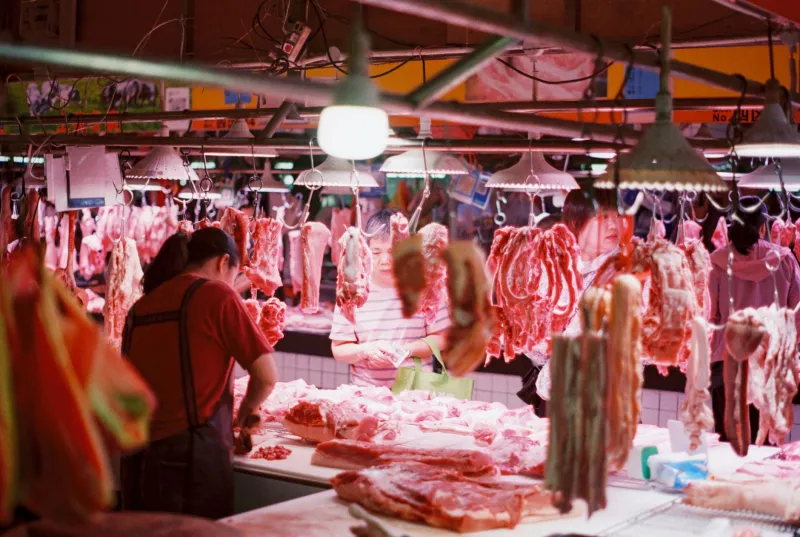
At half past five on a grey November morning, the Meat Market is doing what it has always done: moving protein at speed. Pallets shunt, doors bang, and men and women in whites and fleeces talk in the shorthand of a trade that has been at this corner of the City for centuries. But look closer at the labelling on some of the boxes and a newer conversation is taking place. Alongside the familiar weights and grades, there are packs marked for two, cuts trimmed to fit a domestic tray, and cooking notes written for a machine that did not exist when most of these counters learned their business.
In 2026, the air fryer is no longer a punchline. It is the default weeknight oven in a lot of British homes, especially in flats where a full-size cooker feels like a luxury and the energy bill is read with a sharp intake of breath. That shift has not gone unnoticed in Smithfield. The market is still a wholesale place, built for carcasses, crates and the rhythms of butchers and caterers, but a growing number of traders are asking a practical question: what does the air-fryer kitchen actually want to buy?
The portion problem
The first answer is not a cut at all. It is size. A traditional joint is designed for a family Sunday, a celebration, or a counter that expects to sell the leftovers on Monday. A small kitchen wants something closer to a fortnight’s worth of dinners than a single centrepiece. At one counter, the conversation has moved from whole birds to thigh packs, from a whole loin to medallions, from a rib roast to short ribs sold in twos and threes. The meat is the same; the unit of sale is different.
That sounds simple, but it ripples back through the trade. Smaller packs mean more handling, more labels, more waste control and a different kind of display. A butcher who once sold a box to a restaurant now finds themselves thinking about what fits on a shelf in a shared fridge. The market has always been good at reading demand, but demand from the home cook is more fragmented than demand from a kitchen with a menu and a walk-in.
What actually fits in the basket
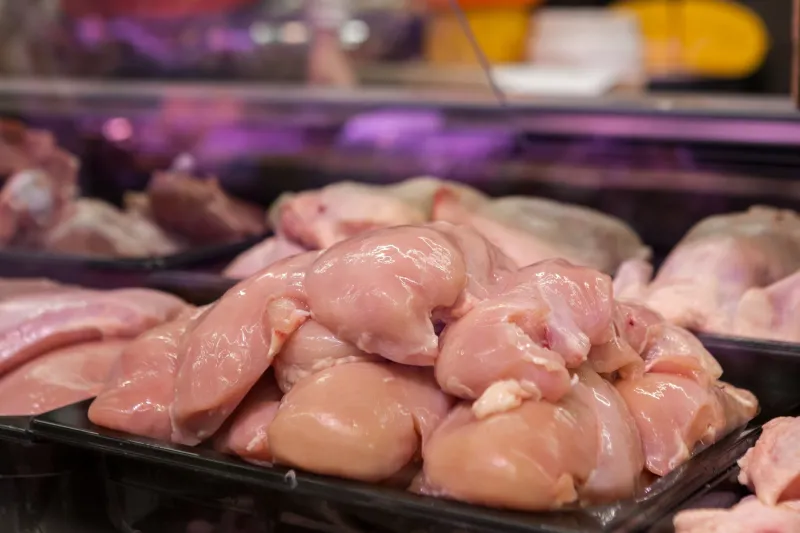
Talk to traders who have leaned into this and the recommendations are refreshingly unsentimental. Chicken thighs and drumsticks work well because they are forgiving and have enough fat to stay juicy. Pork belly strips are popular because they crisp at the edges without needing a huge oven. Lamb neck fillets and diced shoulder suit slower, smaller cooks. Beef short ribs can work if they are cut down, though they need time and a little patience. Flat iron and thin-cut steaks are mentioned often, not because they are fashionable, but because they cook quickly and do not demand a heavy pan.
What does not work is equally useful. Very lean cuts dry out. Huge joints crowd the basket and steam rather than roast. Anything that needs a long, low braise is better in a casserole dish, even if the air fryer can technically be pressed into service. The traders who are good at this do not oversell the machine. They treat it as one more tool in a domestic kitchen, not a religion.
Advice behind the counter
Perhaps the most striking change is the advice. A wholesale counter is not a cookery school, and nobody wants it to become one. But a small card with times and temperatures, a QR code to a simple method, or a sentence about resting meat can make the difference between a repeat customer and a wasted purchase. One trader described it as translating the trade into plain English: not dumbing it down, just removing the assumption that everyone knows what to do with a neck fillet.
That advice is also a form of quality control. If a customer buys a cut that is wrong for their equipment, they will not blame the recipe. They will blame the meat. So the smarter counters are steering people towards cuts that suit the basket, and away from the ones that will disappoint. It is the same instinct that has always made a good butcher worth talking to, applied to a new set of domestic habits.
Can a wholesale market speak to home cooks?
This is where Smithfield’s identity gets interesting. The market’s public face has often been the early-morning trade: the bummarees, the auctions, the rails and the lorries. Home cooks are not the core customer, and the market should not pretend otherwise. But the boundary has always been porous. Londoners have long bought meat from Smithfield-adjacent shops, and the trade’s knowledge has always leaked out into kitchens one conversation at a time.
The risk is that in chasing the small-pack home market, the market starts to look like a supermarket with better lighting. The opportunity is different: to sell the thing a supermarket cannot easily replicate, which is confidence. A two-portion pack with a clear cut name and a bit of advice is not just convenience food. It is a small piece of trade knowledge, passed across a counter.
The trade identity question
Nobody at Smithfield is suggesting the future is all air-fryer strips and 250g packs. The wholesale trade still runs on volume, consistency and relationships with chefs, shops and caterers. But the smaller kitchen is now part of the picture, and the traders who are adapting are doing so in a distinctly Smithfield way: pragmatically, without much fuss, and with an eye on what the customer will actually cook.
On the way out, the market is still loud, cold and busy. The old rhythms have not gone. But somewhere in the labelling and the advice cards is a quiet adjustment, a recognition that the British kitchen has changed shape. A historic market does not stay relevant by standing still. It stays relevant by knowing what fits in the basket.