The Lanes That Still Carry Cattle: Reading Smithfield's Trade in Street Names
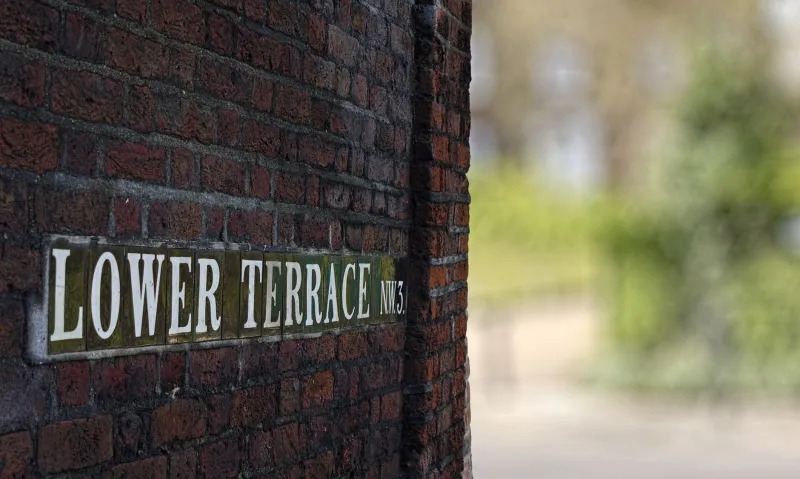
Smithfield is a place that keeps its history in plain sight. The market halls get the postcards, but the streets around them do the quiet work of remembering. Cowcross, Cock Lane, Turnagain Lane, Cloth Fair, Long Lane: these are not just addresses. They are trade names, worn down by centuries of hooves, carts, porters and pub signs.
This is a walk for anyone who has ever looked up at a Smithfield street sign and wondered what it was trying to tell them. It is a loose loop, easy to do in an hour or two, with enough pauses for coffee and a sandwich to make it feel less like a history lesson and more like a morning well spent.
Start where the cattle crossed
Begin at Farringdon station and walk east along Cowcross Street. The name is the giveaway. This was the route by which cattle were brought across towards Smithfield, and the street has carried the name in various forms for centuries. The crossing itself is long gone, but the word 'cowcross' still does exactly what it says on the tin.
It is also a good place to calibrate your expectations. Cowcross Street today is a mix of offices, pubs and the kind of small businesses that survive on City footfall. It is not quaint. It is not trying to be. That is part of the point: Smithfield's trade names are not museum exhibits, they are working streets that happen to have very old names.
If you need coffee before you start properly, The Coach on Cowcross Street is a reliable pub stop later in the day, but for a flat white and a pastry, a short detour north to Prufrock on Leather Lane is worth the extra five minutes. It is a proper coffee bar, not a heritage attraction, which is exactly the right mood for this walk.
Cock Lane and the ghost that sold papers
From Cowcross, head towards Giltspur Street and find Cock Lane. It is a short, narrow link between Giltspur Street and Snow Hill, and it has one of the best-known names in the area. The obvious guess is cock-fighting, but the safer explanation is a house sign: a cock was a common inn or tavern emblem, and London has a long habit of naming lanes after the sign at the end of them.
What Cock Lane is really famous for is the Cock Lane Ghost. In 1762, a supposed haunting at a house in the lane became a public sensation, complete with séances, pamphlets and a young girl at the centre of it all. It turned out to be a fraud, but the story stuck. It is a useful reminder that Smithfield's streets have always been good at attracting a crowd, whether the attraction was livestock, a trial or a ghost.
Stand at the Snow Hill end and look back towards Giltspur Street. The lane is easy to miss, which is part of its charm. It does not announce itself. Most people walk past it on the way to somewhere else.
Giltspur Street and the knights' spurs
Giltspur Street runs down towards Smithfield and carries one of the area's more romantic names. The usual explanation is that it refers to the gilt spurs worn by knights riding to tournaments at Smithfield. Whether every knight was quite so polished is another matter, but the name has stuck, and it fits the area's medieval self-image.
The street also had a less glamorous life as the site of the Giltspur Street Compter, a prison that stood here in the 18th and early 19th centuries. That is the Smithfield pattern in miniature: romance and rough trade, often on the same stretch of pavement.
Today Giltspur Street is a busy link between the market and the City, with St Bartholomew's Hospital nearby and the sort of traffic that makes you glad you are on foot. Keep an eye out for the boundary markers and old buildings that survived the various clearances. They are not always obvious, but they are there.
Turnagain Lane and the art of the dead end
Cut through towards Farringdon Street and look for Turnagain Lane. It is a small, easily missed lane, and its name is a small joke at the expense of every delivery driver who has ever tried to use it as a shortcut. A turnagain was a dead end: you went in, you turned again, you came out.
It is worth seeking out precisely because it is so modest. Smithfield's history is not all grand halls and famous trials. Some of it is just the practical geometry of getting carts in and out of narrow streets. Turnagain Lane is that history in miniature: a name that tells you exactly what the street was for.
If you are flagging by now, this is a good moment for a sandwich. The Quality Chop House on Farringdon Road is a short walk away and does the kind of properly made, meat-minded lunch that suits the theme without turning it into a gimmick. Alternatively, double back towards St John Street and see what takes your fancy.
Cloth Fair and the other market
From Turnagain Lane, head back towards Smithfield and find Cloth Fair. The name comes from Bartholomew Fair, the great cloth market that grew up around the priory and the fairground. For centuries this was a place of stalls, sellers and the kind of crowded commerce that makes modern street food markets look tame.
Cloth Fair today is one of the quietest, most surprising streets in the area. The houses are old, the scale is small, and the noise of the City falls away. It is a good place to stop and remember that Smithfield was never just about meat. It was about everything that could be sold to a crowd.
The Hand & Shears on Middle Street is a proper old pub with a useful position for this walk. It is not a museum piece, but it has the kind of worn-in feel that makes it easy to imagine the market trade coming in for a pint after the shift. If you are doing this walk on a weekday, check the hours before you commit.
Long Lane and the drovers' route
Finish with Long Lane, which runs east from Smithfield towards the Barbican and beyond. The name is not subtle, but it points to something important: this was a route for livestock, and a long one at that. Cattle and sheep were moved through these streets for centuries, and the names around them still carry the memory of that traffic.
Long Lane is also a reminder that Smithfield's trade did not stop at the market doors. It spilled out into the surrounding streets, into the pubs, the shops, the stables and the yards. The market was the engine, but the streets were the works.
A route with a point
This is not a walk that needs a guidebook in your hand. The names do most of the work. Cowcross tells you about cattle. Cock Lane tells you about signs and scandals. Turnagain Lane tells you about dead ends. Cloth Fair tells you about the other market. Long Lane tells you about the drovers.
What survives today is a mix of the genuine and the renamed, the old and the rebuilt. Some of these streets are busy, some are quiet, and one or two are easy to walk past without noticing. That is fine. Smithfield has never been a place that puts its history behind glass. It puts it on the street sign and lets you get on with your day.