Six Kitchens That Shop Before Sunrise: Following Smithfield to the Menu
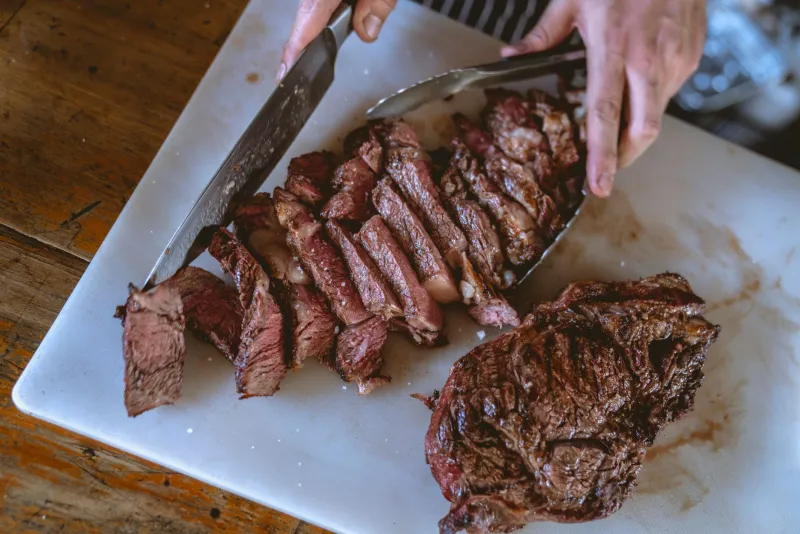
Ask a London restaurant where its beef comes from and you will usually get a farm name. Ask who sold it to them and the answer tends to go vague. Which is strange, because the middle of that chain — the wholesale rail, the trader, the delivery note signed at six in the morning — is where most of the flavour decisions actually get made.
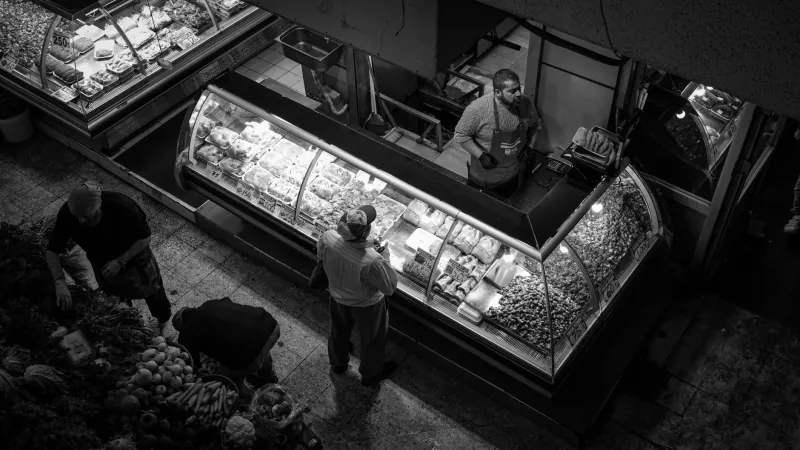
Smithfield's wholesale day starts long before the City wakes and is largely over by the time the offices open. The kitchens below are, in a sense, cooking a market that has already shut. Here is where to go, what to order, and how the plate connects back to a stall.
Simpson's Tavern, Cornhill — the steak pudding
A chophouse in the old sense, tucked into Ball Court off Cornhill, and the closest thing the City has to a time capsule with a wine list. Order the steak pudding: beef comes in as whole cuts through a City wholesaler, gets diced in house and slow-cooked under a suet crust.
Go at weekday lunch. It fills with people in suits and, increasingly, everyone else, so book. The kitchen is small enough that asking about the beef gets you a straight answer from someone who was there when it arrived.
The Quality Chop House, Farringdon Road — a chop and the potatoes
The confit potatoes are what everyone photographs. The lamb and beef are the reason to come back. Cuts arrive from the wholesale trade — whole loins, shoulders, the occasional animal broken down in house — and the menu shifts around what the kitchen has bought rather than the other way round.
Go Tuesday to Friday lunch if you want the room half empty and the kitchen unhurried. Order the chop of the day, a side of potatoes, and stop there.
Blacklock, City — chops by weight
The City branch is the practical one if you are coming from the market. Chops sold by weight, cooked over coals, the whole premise being that a chop is the cut that tells you exactly how good the animal was. Ask what came in that week; the answer is the menu.
Go early evening midweek, when the room is loud but not deafening. Take three or four people so you can order across the rail rather than committing to one cut.
The Guinea Grill, Mayfair — the pie
A survivor, and unapologetic about it. Steak and kidney pie, dry-aged beef, a grill that has been doing the same job for decades. Beef arrives on a standing weekly order through the wholesale trade — the kind of arrangement agreed on the phone, not on a website.
Go on a weekday evening and ask for the back room. Order the pie. If bone marrow is on, order that too.
St John, St John Street — bones and the rest of it
A short walk from the market's doors, and the restaurant that did most to teach London to eat the cuts that used to be cheap. Roast bone marrow with parsley, capers and toast is the dish that made the argument: the market's second-best bits, cooked with confidence, are the good ones.
Go at lunch, order three or four plates and share. The bones come in with the rest of the delivery, and asking the kitchen what it is getting that week teaches you more about Smithfield than any guided tour.
Hill & Szrok, Broadway Market — buy the cut, they cook it
A butcher's counter with a kitchen behind it: pick your cut, they cook it, you eat it. It is the nearest London gets to eating in the market without a hi-vis vest, and it makes the supply chain embarrassingly literal — you are choosing the cut off the same rail the restaurant would have bought from.
Go on Saturday, early, before the queue forms along the street.
How to read a menu like a delivery note
Four questions get you most of the way:
- What cut is it? Chops, shins, skirts, bones — these are the market's fingerprints. A menu full of fillet tells you less than one full of shoulder.
- Does the menu move? A kitchen that cooks what it bought this week is a kitchen with a real supplier behind it.
- Who gets named? If a restaurant names a farm but not a butcher, the trail probably runs through a wholesaler two steps removed.
- When is it busy? Chophouses do their best work at lunch, grills at night, cookshops at the weekend.
The four-in-the-morning test
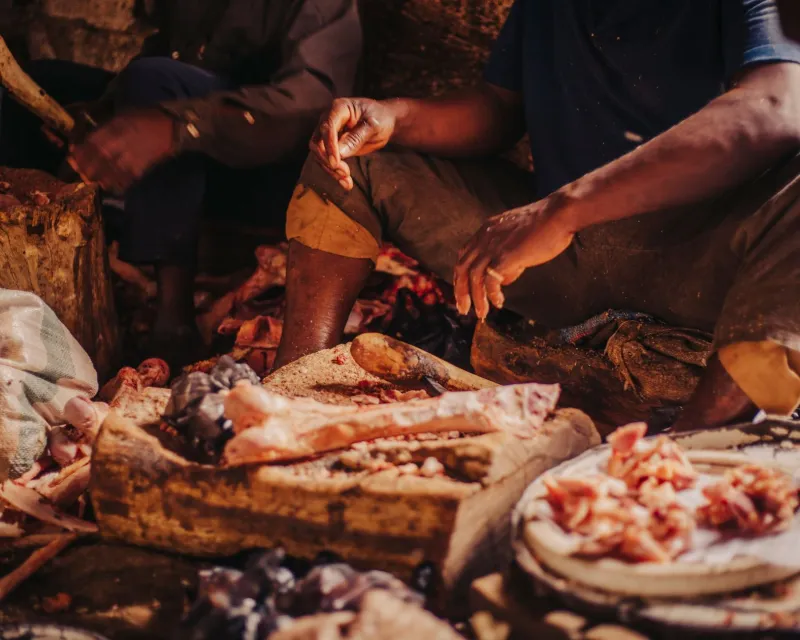
None of this happens without somebody standing in a cold room while the rest of us are asleep. The market's produce does not arrive on a plate as a menu line; it arrives as a delivery note, a rail and a set of numbers agreed on the phone. Order the pie, the chop, the marrow — and remember that whoever sold it was awake long before you were.