Bones, Fat and the Bits Nobody Bids For: Inside Smithfield's Offcut Economy
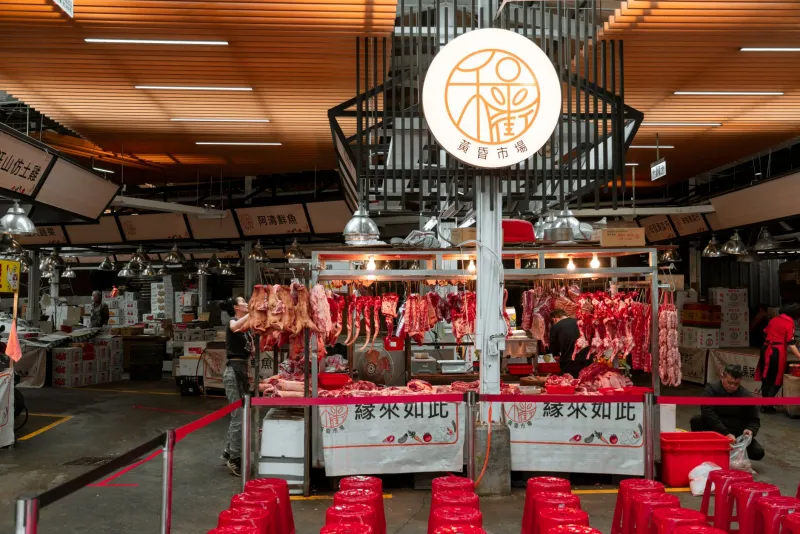
There is a version of Smithfield that only exists in the mind of the people who don't work there: a square of white-tiled counters where everything is a ribeye and everything sells. The market is not like that, and never has been. Any carcass is mostly not steak. What leaves the floor as bone, fat, trim, offal and unsold stock is not waste in the trade's own language — it is a parallel trade, older than the retail one, and it has its own buyers, its own lorries and its own margins.
What 'offcut' actually means on the floor
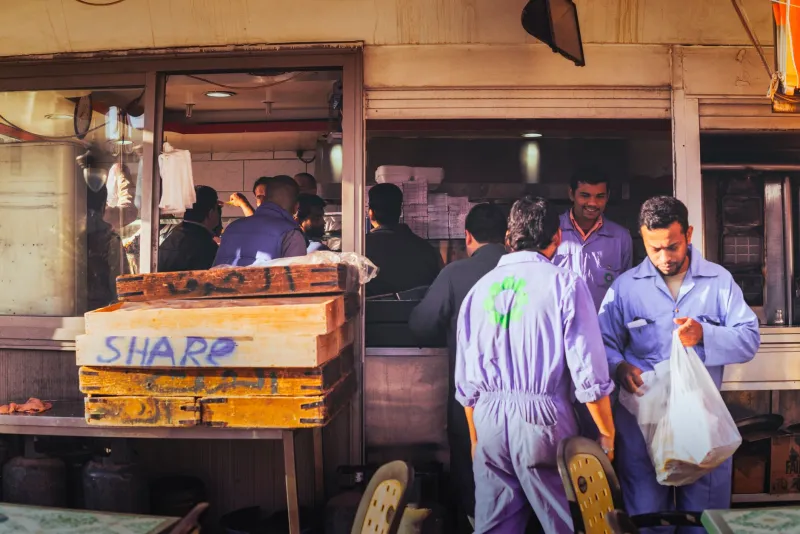
Stand at a loading bay for an hour and the vocabulary sorts itself out. There is material that stays in the food chain: bones for stock, trim for mince and sausages, fat for dripping, offal for anyone who knows what to do with it. There is material that leaves the food chain but stays useful: fat for tallow and technical uses, hides for leather, blood and certain by-products for processing. And there is a small residue that is genuinely waste and costs money to lose.
The distinction matters because it is regulated. Animal by-product rules mean a trader cannot simply decide that a bin of trim is going to a bloke with a van. Paperwork follows the material. Approved premises, registered carriers, consignment notes. Ask a trader what puts years on their working life and it's not the early starts — it's the compliance.
The renderer's lorry and the fat trade
The most valuable thing in the offcut chain is often the least photogenic. Fat that isn't going into a pan goes into a tank, and from there into tallow, feed, soap, cosmetics, and increasingly into fuel. Prices move with the energy market, which means a trade that has always thought of itself as food is now, at the margins, exposed to the price of a barrel.
More than one trader made the same point in different words: the fat is worth collecting because collection can be made to pay for itself, but nobody built a business around it. It is a by-product that pays for a bit of the overhead. The commercial edge of the market remains prime cuts, sold quickly, to people who pay on time.
Bones and the broth kitchens
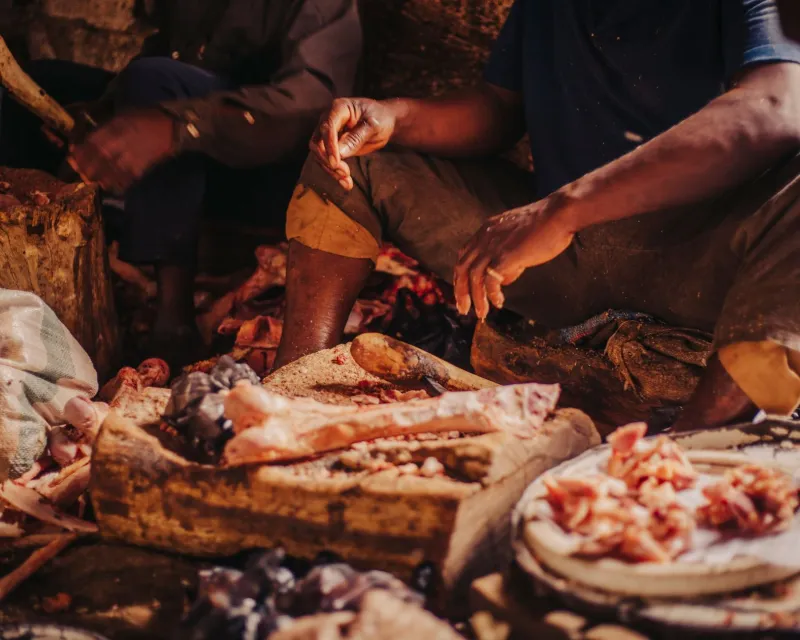
Bones are where Smithfield's offcut economy gets quietly romantic. A crate of marrow bones and a bag of necks leaving the market at eight in the morning is the first step of a stock that will be on a menu in Clerkenwell by lunchtime. City chefs with small kitchens and no space for carcass work are exactly the customers this material suits: they want four kilos of bones, twice a week, reliable and clean.
The relationship is older than any sustainability strategy, and it works because both sides are pragmatic. The chef gets a product that makes the menu cheaper and better. The trader gets a small sum and, more importantly, gets the crate off the chiller. Ask a kitchen whether it would prefer to buy bones from a wholesaler's list or from a market trader who knows which beast they came from and the answer is not close.
Pet food, and the awkward question of value
A significant slice of unsold and non-retail material goes to pet food — a market that has grown and professionalised, and one that pays little but takes volume. For a trader with a chiller full of stock that has run out of days, that is often the difference between a small loss and a total one. It is unglamorous and it is efficient.
But it raises the question that anyone who wants a circular market has to answer honestly: circularity is not free. Repurposing material takes labour, space and refrigeration, and refrigeration is the expensive part. Every hour a crate sits waiting for a collection is an hour of cold storage that could have gone to something selling at full price.
The charity route and its limits
Food redistribution charities do take meat from the City, and the goodwill attached to that is real. The practical constraints are equally real: charities need consistent volume, predictable delivery times and a cold chain that holds. A market producing irregular quantities of mixed cuts doesn't naturally fit a food bank's model, however good the intentions on both sides.
The most successful arrangements I heard described were small and specific — a kitchen that turns surplus into cooked meals, a charity that collects the same day at the same time, a trader who sets aside a pallet rather than an assortment. What doesn't work is the assumption that surplus can be solved by goodwill alone.
Who pays, who profits
Follow the money and it is mostly a story about avoided cost rather than new income. Rendering and collection can be structured so the trader pays little or nothing. Charitable routes cost time. Pet food returns pennies. Bone sales to kitchens are small, steady and worth keeping.
The profit, such as it is, sits with the processors and the collectors who aggregate material from dozens of traders at once. That is not a scandal; it is just what scale does. A market of independent businesses, each producing modest quantities of the same by-products, will always need someone to join the dots.
Can Smithfield go circular without going soft?
Here is the awkward bit. The trade's instinct is to protect its margins, and rightly so — a market that tries to be a sustainability project before it is a business stops being either. Circularity that depends on traders absorbing cost will not last a year.
What might work looks more like infrastructure than ideology: shared cold storage for material awaiting collection, aggregated collection rounds that mean a small butcher gets the same service as a large one, a broker function that matches bones to kitchens and fat to processors, and clear, standard paperwork that doesn't need a specialist to complete. None of that is romantic. All of it is what the market already does well — matching supply to demand, quickly, in the same few acres.
Smithfield has been recycling animals into value for the best part of a thousand years. The bones, the fat and the unsold stock were never the embarrassing part of the business. The only new question is whether the systems around them can be made as sharp as the trading floor itself.