The Pint After the Shift: Five Smithfield Pubs With Meat-Trade Memories
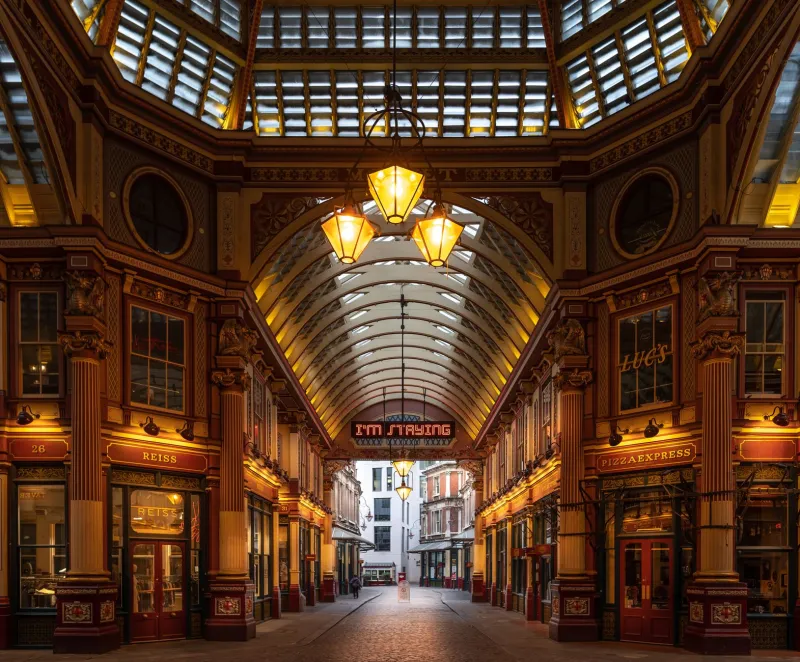
Smithfield does not clock off so much as change gear. In 2026 the market still starts in the dark, and the pubs around it still keep hours that owe more to the meat trade than to the City's nine-to-five. When the apron comes off, the pint comes out. These five are not a formal trail, but they make a good crawl with a purpose: Victorian market boozers, back-street boltholes and one or two places where the old trade still seems to be standing at the bar.
The Hope, Cowcross Street
Start at the corner of Cowcross Street, where the market spills towards Farringdon. The Hope is a proper Victorian pub, with a tiled frontage and etched glass that have watched a lot of early mornings. For generations it has been the first and last stop for people who spend their nights with carcasses, invoices and refrigerated air. Order a cask bitter and stand at the bar. If the kitchen is running, keep it simple: a pie, a sandwich, nothing that asks for a knife and fork. It is still a pub rather than a museum piece, which is exactly why it works as the opening act.
The Fox & Anchor, Charterhouse Street
Less a bolthole than a stage set for the old market, the Fox & Anchor wears its Victorian bones well: wooden partitions, mirrors, a tiled exterior and a bar that seems built for men in bloodstained whites. Market workers were said to take breakfast here, and the pub has long made a virtue of early hours and solid food. A pint of bitter is the obvious order; a Bloody Mary is the plausible one. Eat breakfast if you can, or a roast if the day has moved on. Ask for a seat in the bar rather than the dining room. The pub is popular with City suits now, but the ghost of the meat trade is still in the woodwork.
The Old Red Cow, Long Lane
The name alone earns it a place on this crawl. The Old Red Cow is a back-street pub with bare boards, a tight bar and a serious interest in British beer. It feels like it has been wiping its feet on the same doormat for generations. Order whatever cask ale is on, and ask for a pie or a Scotch egg if the board offers one. The pub is a good midpoint because it is close enough to the market to feel connected, but far enough to escape the worst of the after-work crush. It is not a butchers' pub in name, but the cattle-market echo is hard to miss.
The Hand & Shears, Cloth Fair
Tucked behind St Bartholomew the Great, the Hand & Shears is one of the few pubs that can claim a Tudor footprint, though the building you see is later. It served the old Bartholomew Fair and the market traffic that came with it, and it still feels like a place for people who work with their hands. The bar is small and panelled, with a courtyard that is a blessing in summer. Drink a session bitter. Eat nothing fussy. It is not a butchers' pub by name, but it is a market pub by geography and habit, and that is enough.
The Rising Sun, Cloth Fair
End at the smallest of the lot. The Rising Sun is a 17th-century pub with low ceilings, a tiny bar and the kind of back-street quiet that makes you lower your voice. It was once the sort of bolthole used by porters and salesmen, and it still feels like a secret. There is no great kitchen to speak of, so plan your food earlier. Order whatever is on cask, take a corner and let the market day drain away. It is the right place to finish because it asks nothing of you except another half.
The route
The crawl works best west to east: The Hope, then the Fox & Anchor, then the Old Red Cow, then the two Cloth Fair pubs. Allow an afternoon or an evening, not a lunch hour. Check opening hours before you go, especially at weekends, when the market is quiet and some pubs keep City hours rather than market ones. The point is not to tick off five interiors. It is to drink in places that still carry the trade in their bones: the early starts, the wet coats, the smell of cold meat and the pint that follows.