The Morning Before the Gold Coach: How Smithfield Feeds Lord Mayor’s Day
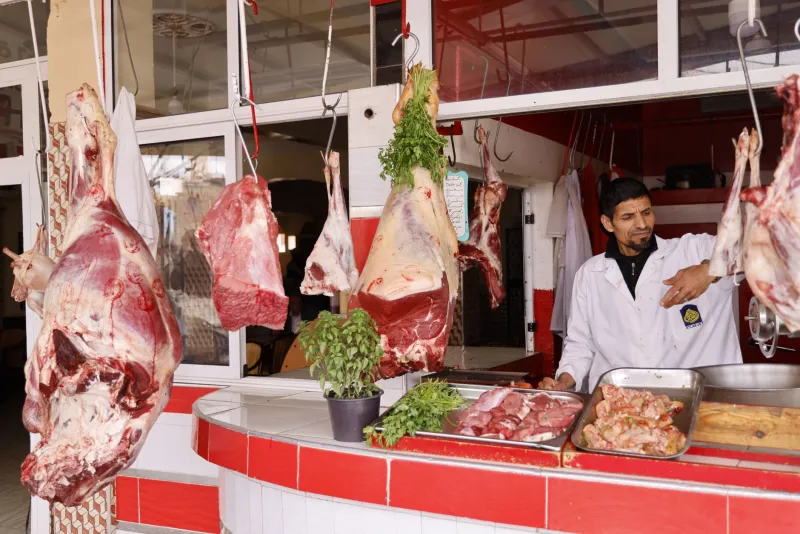
The Lord Mayor’s Show is a City spectacle: floats, bands, livery companies, a gold coach and a route that pulls thousands of people into the Square Mile. But before any of that, there is the quieter business of feeding the people who make it happen. And a good deal of that business begins at Smithfield, in the dark, with a clipboard and a cold lorry door.
This Saturday, 14 November, is Show day. For the market, it is not quite a normal Saturday and not quite a special one either. It is a Saturday with the volume turned up.
The orders that arrive before the orders
Smithfield’s early-morning trade is always about timing. Chefs, shopkeepers and catering buyers want to be in and out before the traffic builds and before their own service begins. On Show day, that rhythm tightens. Livery halls, City hospitality venues and event caterers put in extra requests for breakfasts, buffets and post-parade receptions. Nothing wildly exotic, usually: bacon, sausages, cold roast beef, ham, perhaps a few game birds for a hall that likes to make a point of its old-fashioned table.
“It’s not that the Show changes what we sell,” one trader says. “It changes how much of it has to be ready at the same time.”
That is the real pressure. A livery company may want its breakfast service to start just as the market is finishing its main dispatch. A caterer may need sliced meats earlier than usual because the kitchen has to be clear before the procession passes. A pub near the route may double its order for pies and rolls, knowing that the afternoon will bring a wave of people who have been standing outside for three hours and want something solid.
The result is a day of small, precise adjustments. More boxes. Earlier pickups. A van loaded before the first light has properly arrived. The market does not stop being a market; it simply becomes a market with one eye on the clock.
A ceremonial calendar with deep roots
The link between Smithfield and the City’s ceremonial calendar is older than the current market buildings. The Show itself goes back centuries, and Smithfield spent a long stretch of that history as the City’s great livestock market. Before refrigeration, before rail, before the Victorian rebuilding of the meat market, the feeding of London and the rituals of the City were part of the same practical world. Livestock came in; meat went out; the City ate.
That is the honest historical connection. Smithfield was not designed as a backdrop for ceremony. It was a working piece of infrastructure, and ceremony grew up around a City that depended on it. The Lord Mayor’s Show is a reminder of how much of London’s public life has always been underwritten by ordinary provisioning: bread, beer, meat, pies and a great deal of hot tea.
By the time the modern Show became a set-piece procession, Smithfield’s role had changed. The live market had gone, the meat trade had consolidated, and the market’s buildings had become a landmark in their own right. But the trade did not disappear from the City’s calendar. It just became less visible: a van outside a hall, a delivery door propped open, a butcher’s tray labelled for a company that has been dining in the same room for centuries.
Double shifts and quiet corners
On Show day, some market workers end up doing something close to a double shift. The early market run finishes, and then there is the second job: serving in a shop, delivering to a catering kitchen, or helping a pub get its lunch ready. It is not glamorous. It is the sort of work that makes a ceremonial day possible without anyone in the crowd ever thinking about it.
There is also a particular Smithfield skill in knowing what not to overdo. A livery breakfast does not need a mountain of meat; it needs the right amount, properly prepared, arriving on time. A parade-day pub does not need a new menu; it needs enough pies, enough mustard and enough staff to get through the rush. The market’s job is to make the day feel normal for everyone else.
And then, by mid-morning, the market side of the day is largely over. The vans have gone. The trays have been delivered. The City turns its attention to the procession, and Smithfield becomes somewhere to walk through rather than somewhere to buy from.
Where to eat after the parade
Once the gold coach has passed and the crowds begin to loosen, the sensible move is to walk back towards Smithfield and eat something that feels connected to the place. The options are not all ceremonial, which is the point.
For a traditional finish, look for a City pie room or an old-fashioned pub with a proper pie and a pint of bitter. You want something with a short menu, a dark interior and the sense that lunch is a practical matter rather than a performance. A steak and kidney pie, a plate of mash and a bit of mustard will do more for you after two hours on a pavement than anything with a foam.
For something newer, head for the sandwich counters and casual kitchens around Smithfield, Clerkenwell and Farringdon. The best of them treat meat with the same seriousness as the market does: good bread, sharp pickles, proper roasting, no need to dress it up too much. A salt beef sandwich or a hot pork roll is not a novelty; it is the old trade in a new format.
And if you simply want breakfast after the parade, the market cafes and early-opening pubs nearby are still the right answer. They will be busy, the tea will be strong, and nobody will mind if you sit for a while with your coat still on.
The Lord Mayor’s Show is a day of ceremony. But it runs on the same thing as any other City day: people who got up early, checked the order, loaded the van and made sure the table was ready. Smithfield does that quietly, as it has done for a very long time.