The Edge Keepers: How a Sharpening Round Still Holds Smithfield Together
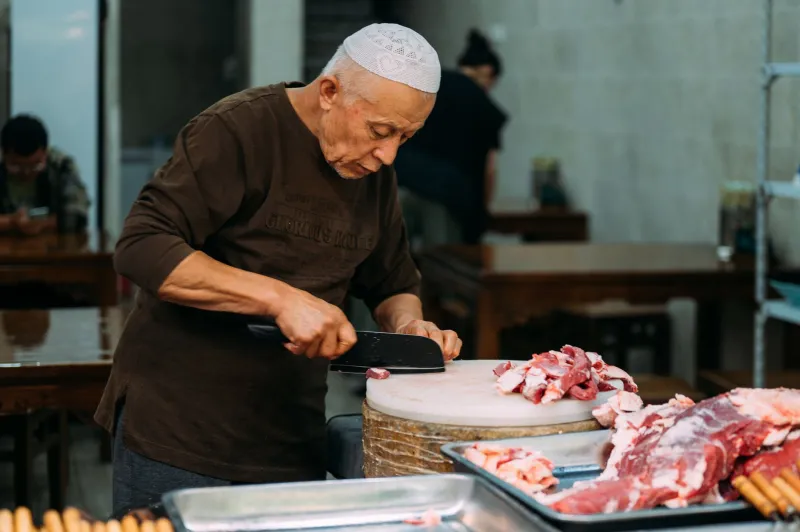
At 6.15 on a wet Tuesday, the loudest thing in Smithfield is not a lorry. It is the short, wet rasp of a blade being drawn across a stone. The sound comes from a van parked within sight of the market’s ironwork, or from a bench tucked behind a counter, depending on the day. A man in an apron has a queue of knives wrapped in tea towels and a diary that makes more sense than most spreadsheets. There is no price list on the wall. The trade runs on routine.
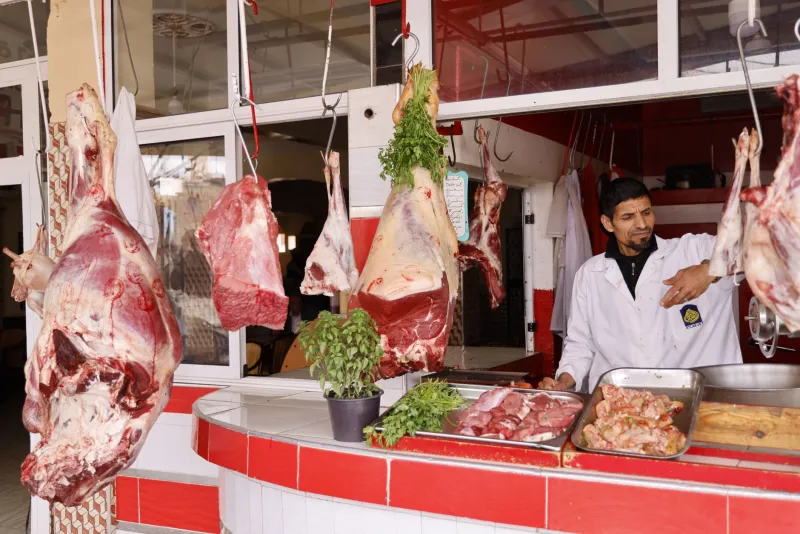
The sharpener is not a romantic figure in the story of Smithfield, but he is infrastructure. A butcher with a dull knife does not simply work more slowly. He crushes meat, smears fat, loses yield and makes more work for himself at the block. A chef with a dull knife does the same at speed. The knife men who work the market floors and the streets around it are part of the supply chain in the broadest sense: they keep the cutting clean.
The round before the rush
The sharpening round begins before most of the City has decided what kind of day it will be. A mobile sharpener might collect from a market counter, a deli on St John Street and a restaurant kitchen that opens later. The knives go into the van, get worked on a belt grinder or a water stone, and come back with fresh edges and, often, a small repair: a chipped tip, a loose handle, a bolster that has seen better days.
The best sharpeners are conservative. They take off less metal than you expect. They cool the blade as they work, because heat is the enemy of a good edge. They keep the profile of the knife, rather than grinding a new one because it is quicker. And they understand that a butcher’s knife is not a showpiece. It needs to bite, to last a shift and to be honest on a steel. A mirror-polished edge is not the same as a sharp one.
The relationship is simple and unforgiving. If you burn a tip or round off a heel, you lose a round. If you return a knife that cuts cleanly and keeps its shape, you keep the custom. In a market built on repeat trade, that is the whole business model.
What a proper edge actually is
Sharp is not the same as thin. A kitchen knife usually wants a bevel of around 15 to 20 degrees per side, though butchers’ knives and cleavers have their own logic. A good sharpening leaves a clean apex, no wire burr, no rounded tip and no blue heat marks near the edge. If the blade looks polished but feels rounded when you draw a thumb across it, it has been buffed, not sharpened.
Honing is maintenance, not sharpening. A steel realigns an edge that is still there; it does not put a new one on a tired knife. Home cooks should hone lightly, wash and dry the blade properly, and sharpen when the tomato test fails. A knife that will not bite into a ripe tomato under its own weight is asking for help. Look at the heel and the tip as well as the middle of the blade. A good job keeps the whole profile usable.
Ask what method is being used. Belt sharpeners are fast and common for volume work; water stones are slower and cooler. Neither is automatically better, but the person using them matters more than the label. Ask about repairs before you hand over anything with sentimental value. A good sharpener will tell you what can be saved and what cannot.
The kit stalls and the quiet suppliers
The tool side of Smithfield is easy to miss because it is not glamorous. Butchers’ suppliers around Clerkenwell and Farringdon stock knives, steels, scabbards, saw blades, aprons and sharpening stones. Some sharpen on site or send blades away. Market stalls around Leather Lane and Exmouth Market can be useful for stones and everyday kit, though not every stall is a knife specialist. The City’s kitchen shops are better for retail buys than for serious repair.
For a home cook, trade-grade does not mean expensive. It means simple and serviceable: a 20cm cook’s knife with a handle that fits, a steel, a combination stone and a blade that can be maintained. Check the rivets, the balance and the heel. Carbon steel takes a keener edge but needs care; stainless is more forgiving. A good supplier will let you feel the knife in your hand rather than sell you a box.
A 2026 map for blades near the City
As of 2026, there are three practical routes for anyone who wants a blade serviced or trade-grade kit near Smithfield. First, the mobile sharpener: ask at a butcher’s counter or a busy deli who collects their knives. Some will take home knives by arrangement, though not usually same-day. Second, the trade suppliers around Smithfield and Clerkenwell: buy your kit there and ask whether they sharpen or send out. Call first. Third, the retail kitchen shops and street markets within walking distance: good for stones, steels and entry-level trade knives, less reliable for repair.
Expect to pay for labour, not just a quick buff. A proper sharpening has a cost. If it is suspiciously cheap, ask what machine is being used and whether the tip and heel will be kept. Do not hand over a knife with a broken tip without asking about repair and handle work. And do not assume Saturday opening hours. The market’s rhythm is early, and the sharpening trade still keeps strange hours.
Why the edge still matters
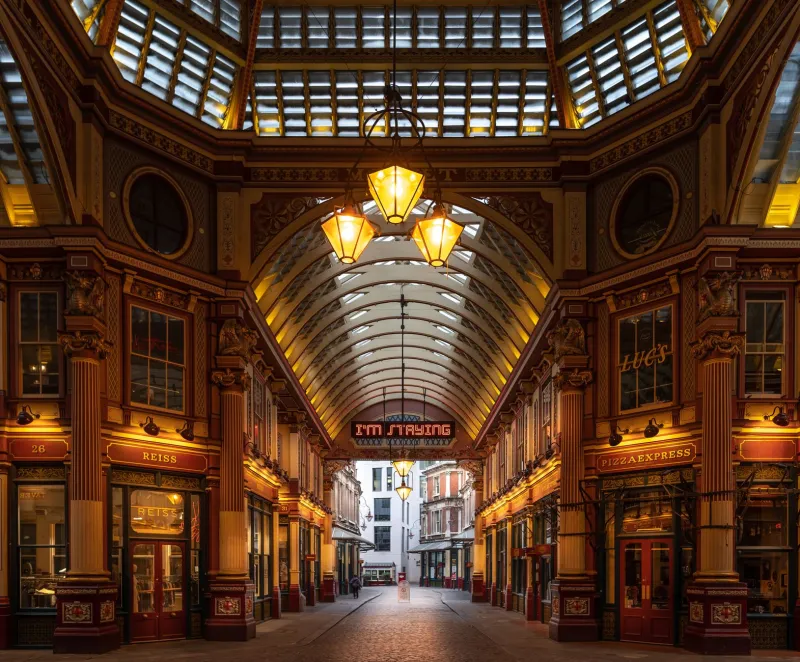
Smithfield’s heritage is not only in its roofs and railings. It is in habits: cut clean, waste less, keep tools true. The sharpener is part of that inheritance, even if his van is parked outside the old market rather than inside it. The edge travels from the stone to the block, from the block to the pass, from the pass to the plate. In 2026, you can still find it if you know where to listen. The sound is there before the City wakes.