The City Sleeps, Smithfield Doesn't: The Night Trades That Keep the Market Moving
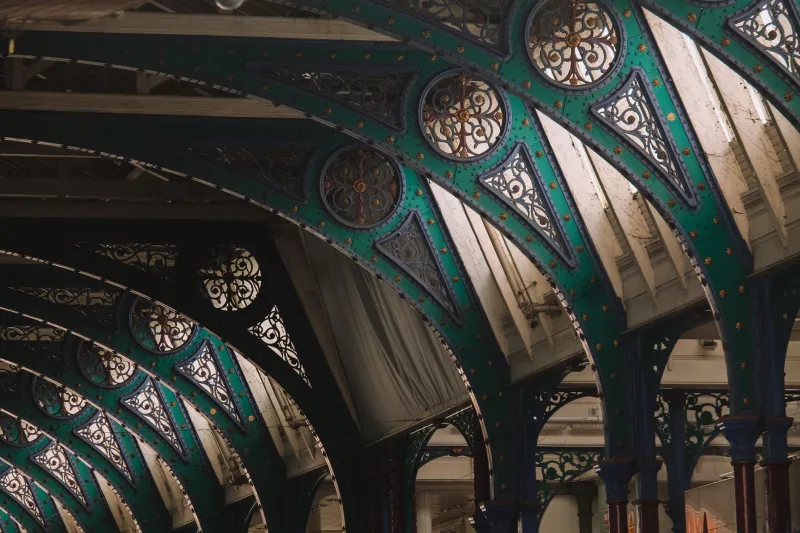
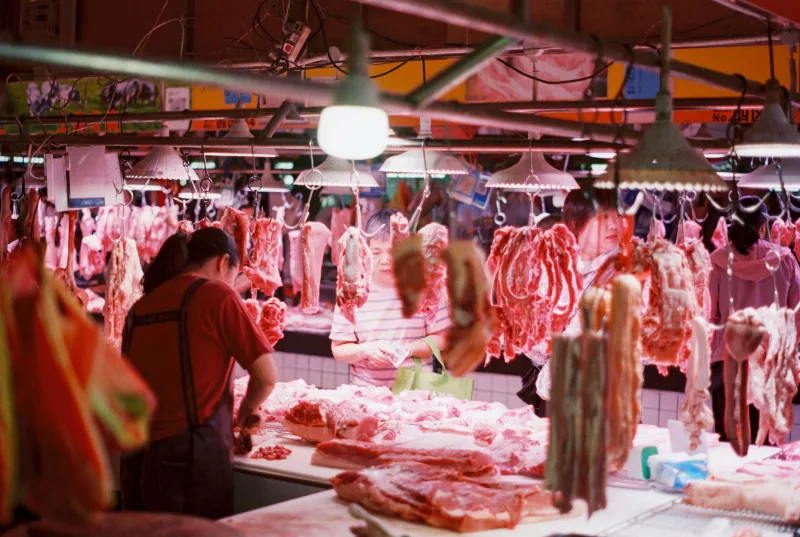
At three in the morning, Smithfield is not quiet. It is a different kind of busy. The pubs around Cock Lane have long since called time, the last late-night buses have rumbled up Farringdon Road, and the Square Mile is doing its best impression of a place where nothing happens until breakfast. Then you turn into Charterhouse Street and walk into a working economy that has been running for hours.
Most people who visit Smithfield see the market itself: the hooks, the counters, the white coats, the theatre of a trade that has been part of London for centuries. What they do not see is the scaffolding around it — the firms and freelancers whose hours are bent entirely around the market's rhythms. A failing cold vault at 2.40am is not a maintenance job; it is an emergency. A missing box of hairnets is not a stationery problem; it is a stall that cannot open properly. The 3am economy is made of small, specific jobs, and it only exists because Smithfield wakes before the rest of the City does.
The fridge that cannot wait until morning
Mick has spent more than two decades repairing refrigeration around Smithfield. His van is parked near the market, engine off, radio low, phone face-up on the dash. He talks about cold rooms the way other people talk about old houses: with affection, suspicion and a long memory.
'You get a feel for a failing fridge before it actually fails,' he says. 'The compressor sounds wrong. The door seal goes soft. The temperature creeps up half a degree and everyone thinks it is nothing. At Smithfield, half a degree is not nothing.'
His firm is on call through the night because the market cannot afford to wait for a normal working-hours engineer. A cold vault holding meat is not just a piece of equipment; it is stock, reputation and, in some cases, a trader's entire day. When something goes wrong, Mick's job is part diagnosis, part diplomacy. He has to work around pallets, rails and people who are already tired and not especially interested in a lecture on condenser coils.
'You learn to be quick and quiet,' he says. 'And you learn that the market does not stop for you. It just moves around you.'
Whites, hairnets and the small stuff that stops a market
Denise runs a family business that supplies the things most shoppers never think about: white coats, hairnets, box liners, labels, knife pouches, gloves, cling film and the dozens of small consumables that keep a food market compliant and moving. Her number is in a lot of phones around Smithfield. Her deliveries start long before dawn.
'People think we sell uniforms,' she says. 'We do not. We sell the day. If the whites do not arrive, someone is standing at a door explaining why. If the box liners are wrong, the packing line slows down. It is not glamorous, but it is the difference between a smooth morning and a bad one.'
Her business is shaped by the market's calendar. Christmas is a sprint. The weeks around the Eve Auction are a different animal entirely. She knows the patterns: which traders order early, which ones leave it late, which ones will ring at the last minute because a delivery went to the wrong entrance. 'You end up knowing the market better than some people who work inside it,' she says.
Pallets, rails and the sound of repair
In a bay off Cowcross Street, Terry is repairing a meat rail. It is bent in a way that looks minor to an untrained eye and serious to anyone who has watched a line stop. A rail that does not run true can jam a trolley, slow a load and put a shift behind. Terry has been fixing pallets, rails and trolleys around the market for years. His workshop smells of metal, grease and cold air.
'You would be surprised how much depends on a straight piece of steel,' he says. 'A pallet gets a crack, someone keeps using it, and then it gives way at the wrong moment. A rail gets knocked, nobody mentions it, and by the time it matters you have got a queue.'
His work is unglamorous and essential. He does not advertise much. The market finds him. 'It is word of mouth,' he says. 'One trader tells another. Then you are the person who gets the call at five in the morning because something has gone sideways.'
Fat, waste and the clean-up crew
By the time the market is in full swing, the waste collectors are already part of the choreography. Fat, bones, packaging, used oil, the bits that cannot be sold — all of it has to go somewhere, and it has to go on time. A collector I speak to, who asks not to be named because he is already running late, describes the job as 'logistics with a strong stomach'. His tanker and bins are part of the same early-morning traffic as the delivery lorries.
'You cannot leave it,' he says. 'It is food. It has a clock on it.'
That clock is why the waste trade is tied so tightly to Smithfield's hours. A normal commercial collection can wait until mid-morning. A market collection cannot. The same is true of the firms that deal with fat and used cooking oil: they are not an afterthought to the meat trade, but a necessary part of its hygiene and its economics.
Threading the Square Mile before dawn
Then there are the drivers. A 7.5-tonne lorry threading its way through the narrow streets around Smithfield before dawn is a small act of choreography. Cock Lane, Giltspur Street, Snow Hill, the turns around the market — each one has its own timing, its own hazards, its own unwritten rules. A driver named Paul has been doing it for years. He knows which kerbs to avoid, which entrances get blocked, which traffic lights seem to take forever at 4am.
'You learn the market's mood,' he says. 'Some mornings it is easy. Some mornings every pallet is in the wrong place and every van is in your way. You just have to keep moving.'
His work is the connective tissue of the whole system. Without drivers, the whites do not arrive, the repairs do not happen, the waste does not leave. The market's famous early start is not just about buyers and sellers. It is about a web of people who are awake because Smithfield is awake.
What happens if the hooks move
The question hanging over all of this is what happens if the meat trade leaves. The debate about Smithfield's future is often framed around the market itself — the traders, the buildings, the heritage. But the 3am economy is a reminder that the market is also an ecosystem. The refrigeration engineer, the supply firm, the rail repairer, the waste collector and the driver are all part of it. Some would follow the trade. Some would not. Some would simply disappear.
Mick is philosophical. 'Markets move,' he says. 'But the knowledge does not move overnight. You have got people here who know these buildings, these streets, these fridges. That is not something you can put in a van.'
At 4.30am, the sky over Smithfield is still dark. The market is loud now, alive with the clatter of rails and the low hum of conversation. The night trades are already beginning to recede: a van pulls away, a repair is finished, a bin is emptied. By the time the City wakes up properly, most of this work will be invisible. But it happened. It happens every night. And it is the reason Smithfield can do what it does before the rest of London has found its keys.